Integrating AFOLU with ISSB and GRI Standards: Building Globally Recognized Reports

Learn how to integrate the AFOLU sector with ISSB and GRI standards with Validerra. Ensure your Sustainability Report meets credible, global reporting standards!


Learn how to integrate the AFOLU sector with ISSB and GRI standards with Validerra. Ensure your Sustainability Report meets credible, global reporting standards!

Learn how to seamlessly integrate the AFOLU sector into your Sustainability Reports with Validerra. Discover essential parameters and key considerations here!

Master the GRI 302 Sustainability Report guidelines. Discover proven energy transparency and efficiency strategies to build a resilient, sustainable business.
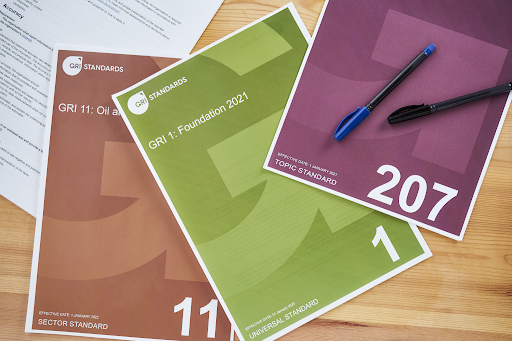
Explore the updated GRI Standards structure, including Universal, Sector, and Topic Standards, and learn how they are applied in sustainability reporting.

Explore the purpose, functions, and application of GRI Topic Standards in helping organisations develop relevant and transparent sustainability reports.

Learn the functions and benefits of GRI Sector Standards in helping organisations develop more relevant and sector-specific sustainability reports.

Learn how GRI, POJK 51, and SEOJK 16 can be integrated into corporate sustainability reporting for more comprehensive and regulatory-aligned disclosure.

Explore ESG implementation in Indonesia and other ASEAN countries, including key developments, differences, and its role in corporate sustainability strategies.

Learn about PROPER, Indonesia’s corporate environmental performance rating program, including its rating levels, benefits, and implementation.

Explore the strategies, challenges, and benefits of ESG implementation in Indonesia. Consult your ESG initiatives with Validerra.

Use Validerra’s professional services to prepare a structured, credible, and compliant Sustainability Report based on POJK 51 and SEOJK 16.

Learn why ESG sustainability has become a key pillar of sustainability in business, covering environmental management, social responsibility, and corporate governance.

Learn how small and medium-sized enterprises (SMEs) can implement ESG through practical strategies to build more sustainable and resilient businesses.

Learn how PROPER and GRI integration strengthens sustainability reporting with clearer data, transparency, and stronger ESG alignment.

Understand the process of determining materiality topics in sustainability reporting to identify key issues relevant to the company and its stakeholders.
Understand the role of IFRS Standards in sustainability reporting and how they support transparency, accountability, and ESG disclosure for companies.

The quality of sustainability reporting in Indonesia still needs improvement. Check the latest conditions, OJK regulations, and reporting trends. Read the article here!

Reduce emissions without hindering economic growth. Understand the concept of Decarbonization for Low-Carbon Development comprehensively. Read the article now!

Exporting to the U.S. now requires a strong sustainability report. Learn about the impact of the latest import policies on Indonesian companies. Read the article now!

IFRS S1 and S2 make sustainability reports more relevant to investors by linking ESG issues to financial performance. Why does this matter? Read more in this article.