

- Map of Public Transportation Electrification in Indonesia
- Supporting Technology and Infrastructure
- Impact on GHG Emissions
- Carbon Credit Potential from Transportation Electrification
- Challenges and Strategic Recommendations
Indonesia is currently facing a major challenge in reducing greenhouse gas (GHG) emissions while maintaining economic growth and public mobility. The land transportation sector contributes significantly to national emissions, primarily from internal combustion engine (ICE) vehicles. Amid the urgency of energy transition and commitment to Nationally Determined Contribution (NDC) targets, the electrification of public transportation emerges as a systemic strategy that not only promises emission reductions but also opens up monetization opportunities through carbon credit mechanisms.
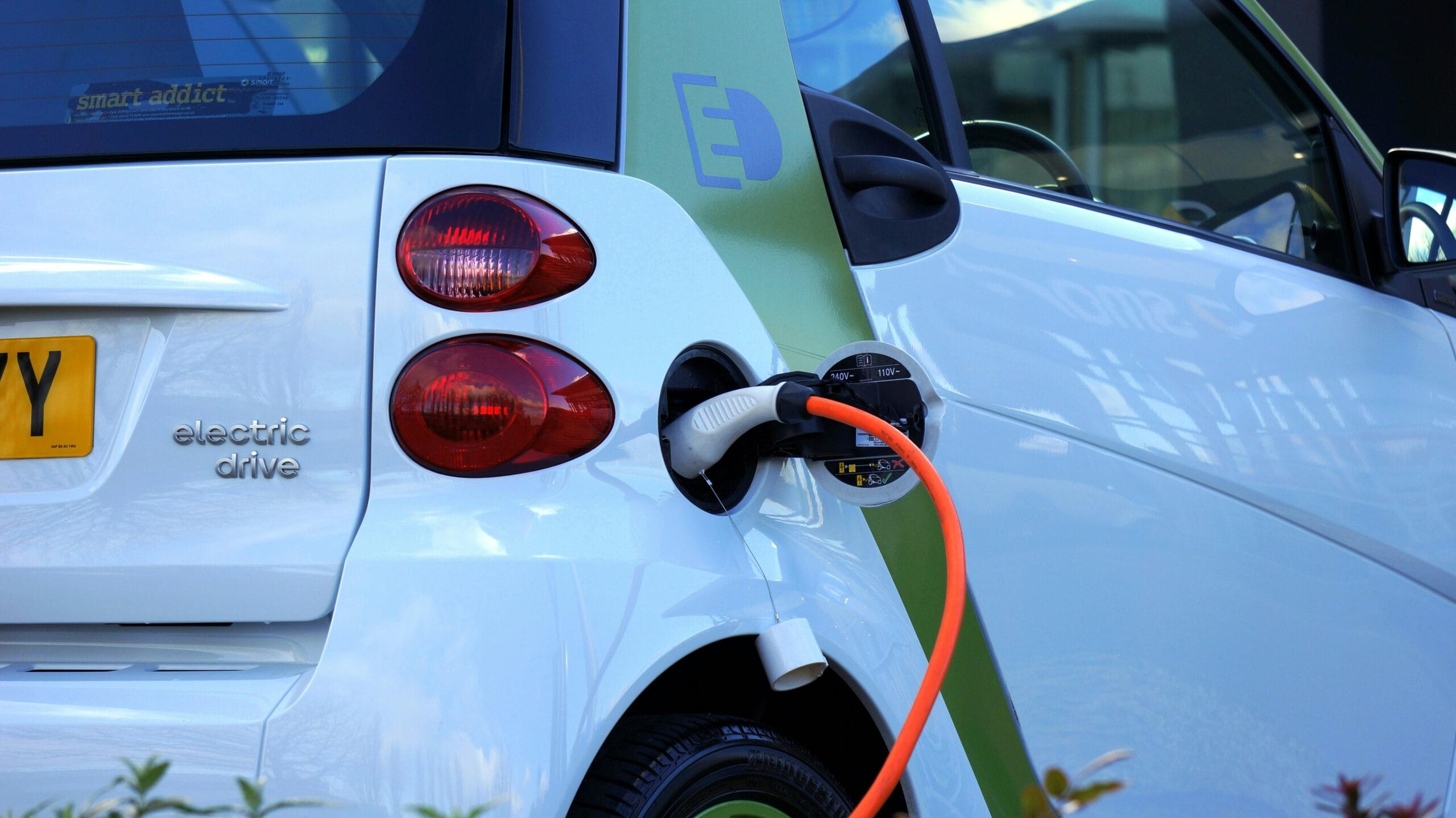
Electrification is the process of replacing fossil fuels with electricity, for example, by converting buses and public transportation from fossil fuels to electric vehicles. This step not only reduces dependence on fossil fuels but also significantly lowers carbon emissions. Therefore, electrification is a crucial foundation for decarbonizing the transportation sector and developing a green economy in Indonesia.
Read more:
Nationally Determined Contributions (NDCs) a Strategy and Progress Towards Climate Goals
Map of Public Transportation Electrification in Indonesia
Electrification of public transportation in Indonesia is beginning to show progress, although still in its early stages. The government has set a policy direction through Presidential Regulation No. 55 of 2019 on the Acceleration of the Battery Electric Vehicle Program. Major cities such as Jakarta, Surabaya, and Bandung have initiated the procurement of electric buses for Bus Rapid Transit (BRT) services, supported by the Ministry of Transportation and local governments.
In addition, the private sector has begun participating in the procurement of electric fleets for public transport and urban logistics services. However, adoption remains limited, and key challenges lie in upfront financing, charging infrastructure, and integration of efficient operational systems.
Supporting Technology and Infrastructure
Electrification of public transportation involves various vehicle technologies and supporting systems. The electric vehicles used are generally Battery Electric Vehicles (BEVs), although hybrid and fuel cell technologies are also being introduced in pilot-scale programs. Charging infrastructure is a crucial element.
Charger types include slow charging (AC) and fast charging (DC), strategically placed at terminals, depots, and transit points. The main challenges are grid capacity, supply stability, and integration with urban energy management systems. Additionally, fleet management systems based on telematics are needed to monitor energy consumption, mileage, and operational efficiency. This data integration is not only important for technical management but also forms the foundation for emission reporting and verification in carbon credit scheme
Impact on GHG Emissions
Electrification of public transportation has significant potential to reduce GHG emissions, especially CO₂ emissions from fossil fuel combustion. Comparisons between ICE and EV vehicles show that EVs have lower emission intensity per kilometer, depending on the electricity mix used. In Indonesia, the electricity mix is still dominated by coal, but the trend toward renewable energy is increasing.
The cleaner the electricity mix, the lower the GHG emissions from electric vehicles. In a scenario of gradual electrification of public transport fleets, emission reductions could reach millions of tons of CO₂e per year, depending on the number of vehicles transitioned, operational efficiency, and vehicle lifespan. Beyond GHG reductions, electrification also yields co-benefits such as improved local air quality, reduced pollutants like NOx and PM, and positive impacts on public health.
This strengthens the economic and social justification for electrification policies. According to Gaol & Tjenreng (2025), “Indonesia can achieve global emission targets while ensuring environmentally friendly and sustainable public services, and strengthen the country’s position in climate change mitigation.” This statement affirms that public transportation electrification is not merely a technical solution but also part of a national strategy to enhance climate resilience and public service delivery.
Carbon Credit Potential from Transportation Electrification

Emission reductions from public transportation electrification can be monetized through carbon credit mechanisms, both in domestic and international markets. To be claimed as offsets, electrification projects must meet the principle of additionality, have a clear baseline, and a credible measurement, reporting, and verification (MRV) system. Several interventions with potential to generate carbon credits include:
- Fleet modernization: Replacing ICE vehicles with efficient, low-emission EVs.
- Targeted electrification: Deploying EVs on strategic routes with high passenger volumes.
- Operational efficiency: Optimizing routes, charging schedules, and energy management to reduce consumption per kilometer.
To meet verification standards, projects must use internationally recognized methodologies such as Verified Carbon Standard (VCS) or Gold Standard, and telematics-based data systems to demonstrate activity and emission reductions. Emission claim ownership must also be clear to avoid double counting with national NDC targets. Economically, the value of carbon credits varies by market and standard. However, city-scale or corridor-based electrification projects can generate significant additional revenue, improve project financial viability, and attract investors with decarbonization goals.
Challenges and Strategic Recommendations
Electrification of public transportation faces various technical and policy challenges. Key challenges include:
- High upfront costs for vehicles and infrastructure.
- Uneven grid capacity and readiness for additional loads.
- Lack of regulatory harmonization across transport, energy, and environmental sectors.
- Limited access to green financing and suboptimal incentive schemes.
To address these challenges, several strategic recommendations can be considered:
- Synchronize electrification roadmaps with national energy and transport policies.
- Develop performance-based emission incentives, not just technology-type incentives.
- Accelerate development of charging infrastructure and integrate it with urban energy management systems.
- Develop MRV methodologies tailored to Indonesia’s context and based on telematics data.
- Implement result-based finance and blended finance schemes to attract investment.
- Promote public education and community engagement to strengthen adoption and compliance.
Public transportation electrification is not only a technical solution to reduce emissions, but also a systemic strategy to support the energy transition, improve quality of life, and unlock opportunities in the carbon economy. With the support of aligned policies, adequate infrastructure, and a credible reporting system, electrification projects can be a catalyst for GHG reductions and a source of bankable carbon credits. Indonesia has a strategic opportunity to lead the region in integrating transportation and environmental policies and building a transparent and competitive carbon ecosystem.
Public transportation electrification is a concrete step towards a clean, inclusive, and sustainable mobility future. In addition to providing direct environmental benefits, public transportation electrification projects can also be an important component of companies’ or local governments’ Sustainability Reports (SR). Data on emission reductions, energy efficiency, and social benefits from electrification implementation can be presented as concrete evidence of commitment to ESG principles and national NDC targets.
Thus, electrification is not only a technical step toward decarbonization, but also a form of transparency and accountability in sustainability reporting. Consult with a trusted and accredited Sustainability Report (SR) preparation service so that every step towards sustainability is documented according to standards and is ready to build investor and public trust.
Author: Nadhif
Editor: Sabilla Reza
Reference:
Gaol, D. A. L., & Tjenreng, M. Z. (2025). Transisi Menuju Kendaraan Listrik di Indonesia: Strategi Pengurangan Emisi, Pengelolaan Limbah, dan Peningkatan Pelayanan Publik Berkelanjutan. YUME: Journal of Management, 8(3), 133-145