
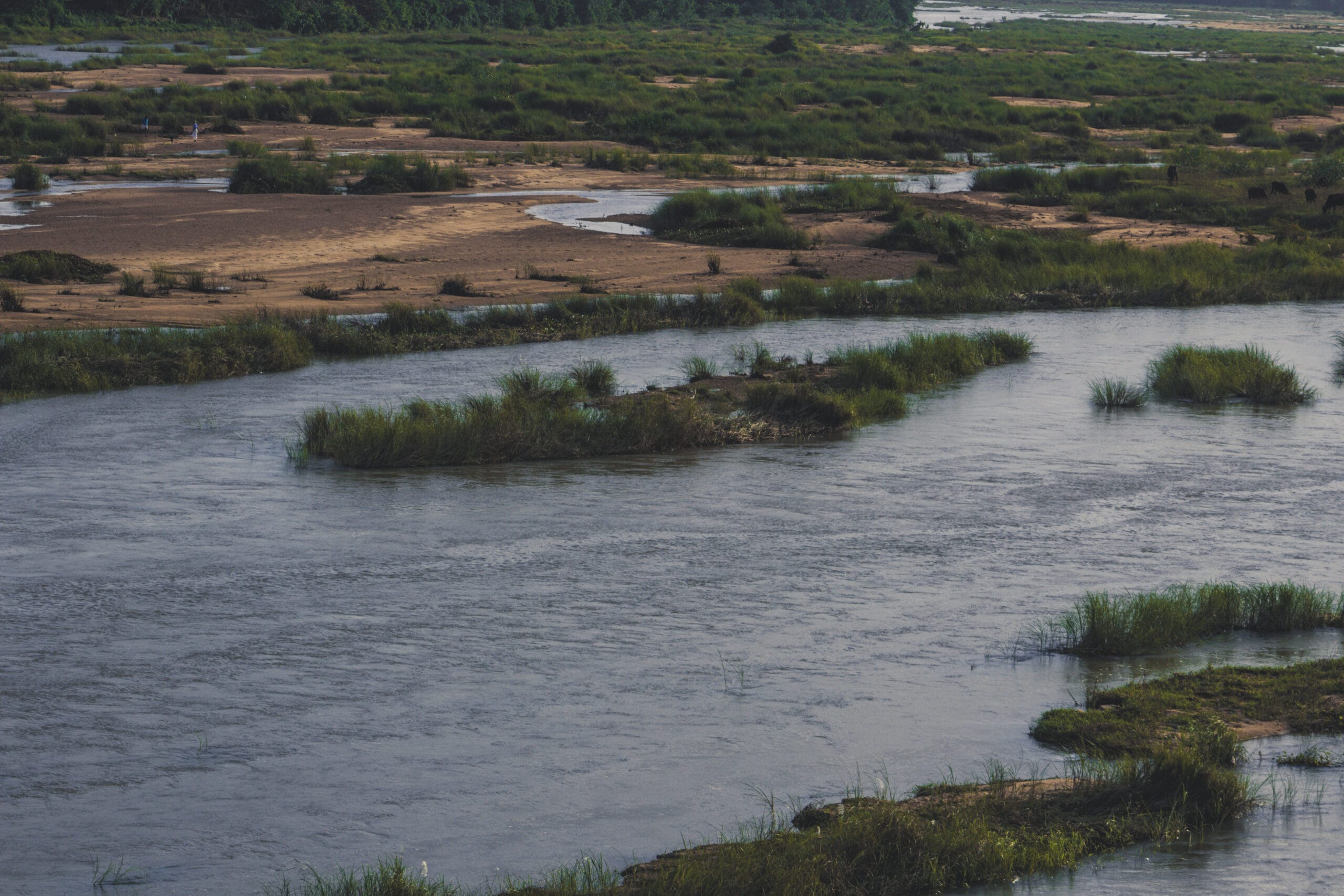

Carbon trading has become one of Indonesia’s key policy instruments to reduce greenhouse gas emissions while mobilizing financing for low carbon development. The effectiveness of this mechanism, however, is highly dependent on the condition of natural ecosystems that function as carbon sinks.
In recent years, the increasing frequency and intensity of floods in Sumatra have signaled growing pressure on forest and peatland ecosystems. This situation raises critical questions about how flooding in Sumatra affects the sustainability and performance of Indonesia’s carbon trading system from environmental, policy, and market perspectives.
- Climate Change and the Rising Flood Risk in Sumatra
- The Strategic Role of Sumatra in Indonesia’s Carbon Trading
- Flood Impacts on Carbon Sequestration Capacity
- Risks to Nature-Based Carbon Trading Projects
- Flooding as a Driver for Strengthening Carbon Trading Policy
- Impacts on Carbon Credit Prices and Demand
Climate Change and the Rising Flood Risk in Sumatra
Flooding in Sumatra has intensified due to the combined effects of climate change and human activities. Increasing extreme rainfall events are exacerbated by deforestation, peatland degradation, and land-use changes that reduce the landscape’s ability to absorb and retain water.
As a result, many regions experience large-scale floods that disrupt settlements, infrastructure, and natural ecosystems. In the context of climate change, these floods serve as a clear indicator of rising regional vulnerability and highlight the urgency of sustainable environmental management.
The Strategic Role of Sumatra in Indonesia’s Carbon Trading
Sumatra plays a strategic role in Indonesia’s carbon trading system due to its extensive tropical rainforests and peatlands that function as natural carbon sinks. The island hosts numerous nature based carbon projects, including REDD+, forest conservation, and peatland restoration initiatives.
Read more:
REDD+: A Solution for Reducing Emissions from Deforestation and Forest Degradation
Carbon credits generated from Sumatra contribute significantly to domestic carbon supply through the National Economic Value of Carbon mechanism and the Indonesia Carbon Exchange. Therefore, the stability of Sumatra’s ecosystems is a determining factor in the credibility and long-term viability of Indonesia’s carbon market.
Flood Impacts on Carbon Sequestration Capacity
Recurrent flooding in Sumatra directly affects the ability of ecosystems to store carbon. Forest damage and disruptions to peatland hydrology lead to declining carbon sequestration capacity. Degraded peatlands may even release substantial amounts of carbon into the atmosphere in the form of carbon dioxide and methane.
This transformation shifts ecosystems from carbon sinks into emission sources, affecting emission baselines and reducing the volume of carbon credits that can be generated from affected areas. Within the national carbon trading framework, this dynamic threatens the stability of carbon credit supply.
Risks to Nature-Based Carbon Trading Projects
Flooding also increases ecological and operational risks for nature-based carbon trading projects in Sumatra. Conservation and restoration projects rely on stable environmental conditions to achieve emission reduction targets.
Extreme floods can damage project areas, alter ecosystem dynamics, and disrupt monitoring, reporting, and verification processes. These risks may reduce investor confidence and increase project management costs. Over time, persistent uncertainty could weaken Indonesia’s competitiveness in regional and global carbon markets.
Flooding as a Driver for Strengthening Carbon Trading Policy
Despite these challenges, flooding in Sumatra also reinforces the urgency of strengthening Indonesia’s carbon trading policies. The tangible impacts experienced by communities provide strong justification for accelerating the implementation of the National Economic Value of Carbon framework.
Carbon trading revenues can be directed toward forest recovery, peatland restoration, and watershed rehabilitation. Through this approach, carbon trading functions not only as an economic mechanism but also as a tool for climate change adaptation and disaster risk reduction.
Impacts on Carbon Credit Prices and Demand
Reduced carbon sequestration capacity caused by flooding may decrease the supply of high quality carbon credits. Under market mechanisms, this condition can drive higher domestic carbon credit prices, particularly for credits with strong environmental integrity.
At the same time, demand is likely to increase for carbon credits that offer additional benefits such as flood mitigation and ecosystem restoration. Projects in Sumatra that deliver co-benefits related to climate resilience may therefore gain higher market value.
Conclusion
Flooding in Sumatra presents a dual impact on Indonesia’s carbon trading system. On one hand, it poses a serious threat by reducing carbon sequestration capacity and increasing risks to nature based carbon projects. On the other hand, it creates momentum to strengthen carbon market policies and channel green finance toward ecosystem recovery.
With effective governance and integration of climate mitigation and adaptation, carbon trading can become a strategic instrument to enhance Sumatra’s climate resilience while reinforcing Indonesia’s transition toward a low carbon economy. Flooding in Sumatra highlights that the success of carbon projects is strongly determined by the accuracy of early-stage planning and the quality of documentation.
Climate risks and changes in ecosystem conditions need to be translated accurately into project design, emissions calculations, and credible baselines. Robust documentation forms a critical foundation to ensure that carbon projects can be assessed objectively and maintain environmental integrity.
Validerra provides consultancy and documentation services for carbon projects to support the planning stage of nature-based projects. These services include feasibility analysis, emissions calculations, and guidance in preparing project documentation aligned with Indonesia’s Carbon Economic Value policy and carbon market requirements. Through a data-driven approach, Validerra helps ensure that the foundational documentation of carbon projects is structured systematically and remains credible.
Author: Indah Nurharuni
Editor: Sabilla Reza
References:
IPCC. (2023). Climate Change 2023: Mitigation of Climate Change. Cambridge
University Press.
Kementerian Lingkungan Hidup dan Kehutanan. (2022). Nilai Ekonomi Karbon dalam Pencapaian NDC Indonesia. KLHK Republik Indonesia.
Peraturan Presiden Republik Indonesia Nomor 98 Tahun 2021 tentang Penyelenggaraan Nilai Ekonomi Karbon untuk Pencapaian Target Kontribusi yang Ditetapkan Secara Nasional dan Pengendalian Emisi Gas Rumah Kaca dalam Pembangunan Nasional.
FAO. (2022). Peatlands and Climate Change Mitigation. Food and Agriculture Organization of the United Nations.
UNEP. (2021). Nature-Based Solutions for Climate Adaptation. United Nations Environment Programme.
Griscom, B. W., et al. (2017). Natural climate solutions. Proceedings of the National Academy of Sciences, 114(44), 11645–11650.